Fungal nail infections, common among students, require prompt attention and a tailored treatment plan for optimal health and well-being during school years.
Understanding Fungal Nail Infections in School-Aged Children
Fungal nail infections, or onychomycosis, frequently affect school-aged children, often presenting subtly and progressing slowly. These infections occur when fungi, typically dermatophytes, invade the nail bed, causing discoloration, thickening, and brittleness.
Children are particularly susceptible due to shared spaces like locker rooms and showers, creating warm, moist environments ideal for fungal growth. Minor nail injuries, common during sports or play, can also provide entry points for fungi.
Unlike adults, children’s infections may not always exhibit the classic symptoms, sometimes appearing as a slight discoloration or textural change. Early detection is crucial, as untreated infections can spread and become more difficult to eradicate. Understanding these nuances helps parents and educators recognize potential issues and seek appropriate care, ensuring a child’s foot health isn’t compromised during formative years;
Why School Environments Facilitate Spread
School environments, unfortunately, provide numerous opportunities for the spread of fungal nail infections. Communal areas like gymnasiums, locker rooms, and showers offer warm, humid conditions – a breeding ground for fungi.
Barefoot walking in these areas significantly increases the risk of transmission, as fungi thrive on floors and can easily infect vulnerable nail beds. Shared equipment, such as gym mats and sports shoes, can also harbor and transfer fungal spores.
Furthermore, adolescent hygiene practices may not always prioritize thorough foot drying after physical activity, creating a persistently moist environment. Close contact during sports and play further enhances the likelihood of spread. Recognizing these factors is vital for implementing preventative measures and minimizing the risk of infection within the school community, protecting student foot health.
Diagnosis & Initial Assessment
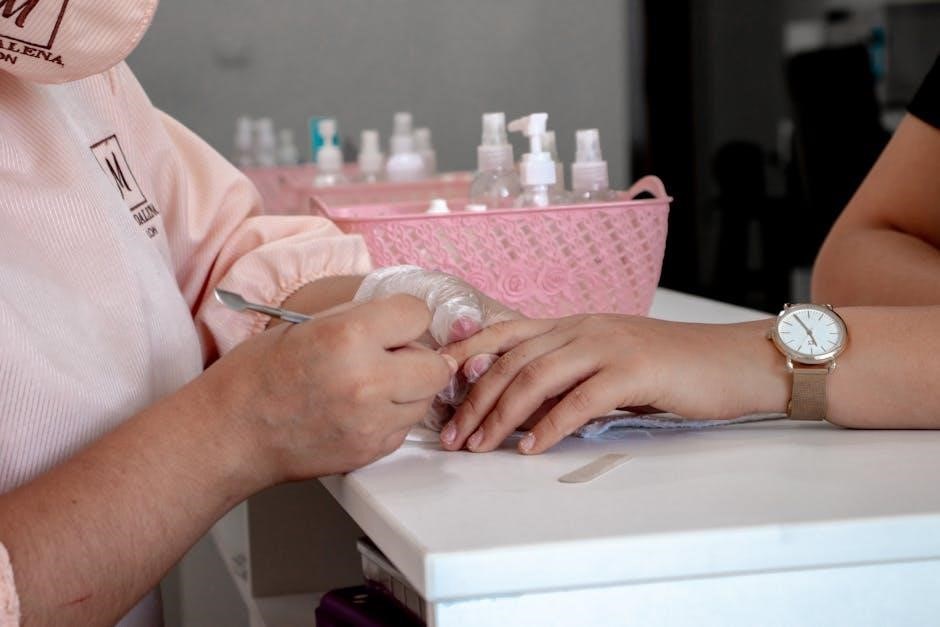
Accurate diagnosis is crucial; a healthcare professional will examine the nail and may take a sample for laboratory testing to confirm the infection.
Recognizing the Symptoms: What to Look For
Identifying fungal nail infections early is key to successful treatment. Initial signs often include discoloration of the nail, typically turning yellow, brown, or white. The nail may also become thickened and brittle, leading to difficulty trimming it properly.
Changes in nail shape are common, with nails potentially becoming distorted or lifting away from the nail bed. Some individuals experience crumbling or a flaky texture. A foul odor may also be present, particularly in advanced cases.
It’s important to note that symptoms can vary depending on the type of fungus and the severity of the infection. Pain or discomfort isn’t always present, but can occur as the infection progresses. Regularly inspecting your child’s nails, and encouraging self-checks, can aid in early detection and prompt medical attention.
Differentiating Fungal Nails from Other Conditions
Accurately diagnosing a fungal nail infection requires distinguishing it from other conditions that can mimic its symptoms. Psoriasis, for example, can cause nail thickening and discoloration, but presents with different skin manifestations. Trauma to the nail, such as a bruise, can also lead to discoloration, though typically without the brittle texture of a fungal infection.
Yellow nail syndrome, a rare condition, causes slow nail growth and a yellowish hue. Lichen planus, an inflammatory condition, can affect nails, causing ridges and thinning. It’s crucial to rule out these possibilities before initiating treatment.
A healthcare professional can perform tests, like a nail clipping analysis, to confirm the presence of a fungus and determine the appropriate course of action, ensuring effective and targeted treatment.
The Role of a Doctor or Podiatrist
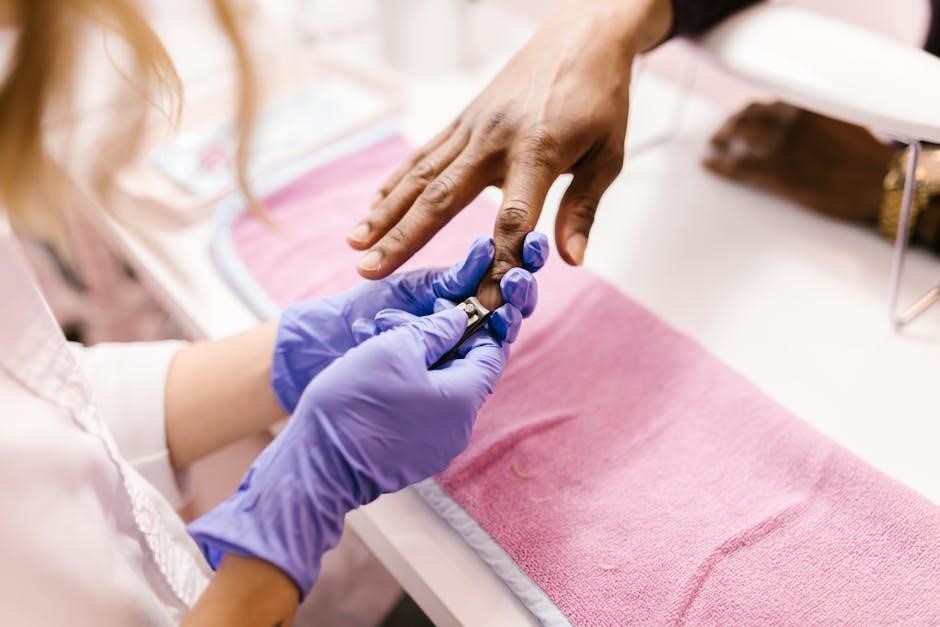
Seeking professional medical advice from a doctor or podiatrist is paramount when dealing with suspected fungal nail infections, especially in children. They possess the expertise to accurately diagnose the condition, ruling out other potential causes of nail changes.
A healthcare professional can determine the severity of the infection and recommend the most suitable treatment plan, which may include prescription-strength medications or specialized procedures. They can also assess for any underlying health conditions that might contribute to the infection or affect treatment outcomes.
Regular follow-up appointments are vital to monitor treatment progress and adjust the plan as needed, ensuring optimal results and preventing potential complications.
Over-the-Counter (OTC) Treatments – A First Line of Defense
Initial treatment often involves OTC antifungal options, providing a convenient starting point for mild infections, requiring consistent application and patience for results.
Topical Antifungal Medications: Creams, Lacquers & Solutions
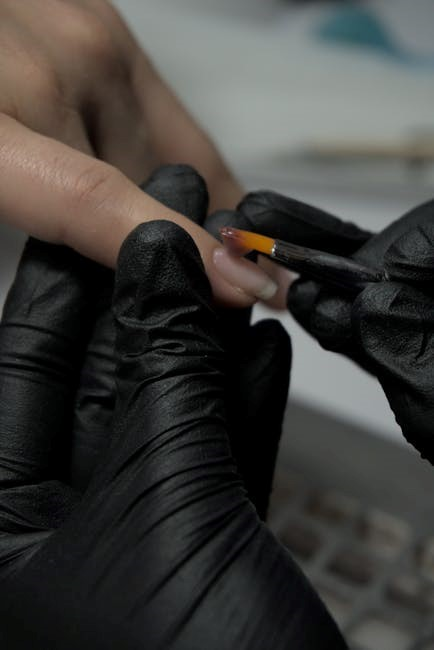
Scholl’s range offers various topical solutions, including creams, lacquers, and solutions, each designed to penetrate the nail and combat the fungal infection directly. Creams are generally applied after softening the nail, often following a foot soak, ensuring thorough coverage of the affected area; Lacquers, resembling nail polish, provide a convenient, once-daily application, forming a protective barrier while delivering the antifungal medication. Solutions typically utilize a brush or applicator for precise targeting.
Consistent application is paramount; follow the product’s instructions meticulously, usually requiring daily use for several months, even after visible improvement. Prior to application, gently file the affected nail to enhance medication penetration. Ensure the nail is clean and dry. It’s crucial to understand that topical treatments are most effective for mild to moderate infections and may not suffice for severe cases. Patience is key, as noticeable results can take considerable time.
Application Techniques for Maximum Effectiveness
To maximize Scholl’s fungal nail treatment efficacy, preparation is key. Begin by thoroughly washing and drying your feet, then carefully file down the affected nail surface – this enhances medication penetration. Remove any existing nail polish completely. For creams, apply a thin layer to the entire nail, extending slightly onto the surrounding skin. Lacquers require a single coat applied to the clean, dry nail surface, allowing each coat to dry fully before reapplication (as directed).
Solutions often come with applicators; use these to precisely target the infected area. Consistency is vital – apply the treatment daily, or as instructed on the packaging, for the entire duration recommended, even if improvement is observed. Protect treated nails from excessive moisture and trauma. Consider wearing breathable socks and avoiding tight footwear. Regular nail trimming maintains optimal treatment access and prevents re-infection.
Limitations of OTC Treatments & When to Seek Further Help
While Scholl’s OTC treatments offer a convenient first step, they aren’t universally effective. Mild infections, affecting a small nail area, respond best. However, deeply embedded infections, or those involving multiple nails, often require stronger prescription medications. If you observe no improvement after several weeks of consistent use – following package directions precisely – it’s time to consult a doctor or podiatrist.
Seek professional help immediately if you have diabetes or a compromised immune system, as fungal nail infections can lead to more serious complications. Also, consult a healthcare provider if the infection causes pain, swelling, or discoloration beyond the nail itself. Don’t self-treat if you suspect a bacterial infection alongside the fungal one. A professional diagnosis ensures appropriate and effective treatment.
Prescription Treatments – Stepping Up the Fight
When OTC options fail, a doctor may prescribe oral or topical antifungals, offering a more potent approach to eradicate stubborn fungal nail infections effectively.
Oral Antifungal Medications: A Powerful Option
For severe or widespread fungal nail infections, oral antifungal medications, such as terbinafine or itraconazole, represent a highly effective treatment pathway. These medications work systemically, reaching the infection beneath the nail plate where topical treatments often struggle to penetrate.
Treatment duration typically ranges from six to twelve weeks for fingernails and considerably longer – potentially several months – for toenails, as toenails grow much slower.
It’s crucial to adhere strictly to the prescribed dosage and schedule, completing the entire course even if symptoms improve before completion. Interruption can lead to recurrence. Regular monitoring by a physician is essential, often involving blood tests to assess liver function, as these medications can occasionally impact liver health.
Patients should inform their doctor about all other medications they are taking to avoid potential drug interactions.
Potential Side Effects of Oral Medications & Monitoring
While oral antifungal medications are potent, they can be associated with potential side effects. Common ones include gastrointestinal upset – nausea, diarrhea, or abdominal pain – and skin rashes. More serious, though rarer, side effects involve liver function abnormalities.
Therefore, regular blood tests are mandatory throughout the treatment course to monitor liver enzyme levels and ensure the medication isn’t causing damage. Patients should immediately report any unusual symptoms, such as persistent fatigue, loss of appetite, dark urine, or jaundice (yellowing of the skin or eyes), to their doctor.
Drug interactions are also a concern; inform your physician about all medications, supplements, and herbal remedies you are taking. Careful monitoring and open communication are key to safe and effective treatment.
Prescription Topical Treatments: Stronger Formulations

When over-the-counter options fall short, a doctor may prescribe stronger topical antifungal medications. These often contain higher concentrations of active ingredients like ciclopirox or efinaconazole, designed to penetrate the nail more effectively. Some formulations are also formulated for enhanced delivery, utilizing specific solvents or vehicles.
Application typically involves daily filing of the affected nail surface to remove infected layers, followed by careful application of the medication to the entire nail and slightly beyond the nail bed. Consistency is crucial; missing doses reduces effectiveness.
Treatment duration can be lengthy, often spanning several months, as it takes time for a healthy nail to grow in. Patients should be aware that improvement may not be immediately visible and adherence to the prescribed regimen is paramount for success.
Home Care & Supportive Measures
Consistent nail trimming, proper drying, breathable socks, and disinfecting shoes are vital supportive steps alongside any chosen treatment for fungal nail health.
Proper Nail Hygiene: Cutting & Filing
Maintaining proper nail hygiene is crucial when addressing a fungal nail infection. Regularly trimming the affected nail – ideally straight across – helps reduce its thickness and prevents further spreading of the fungus.
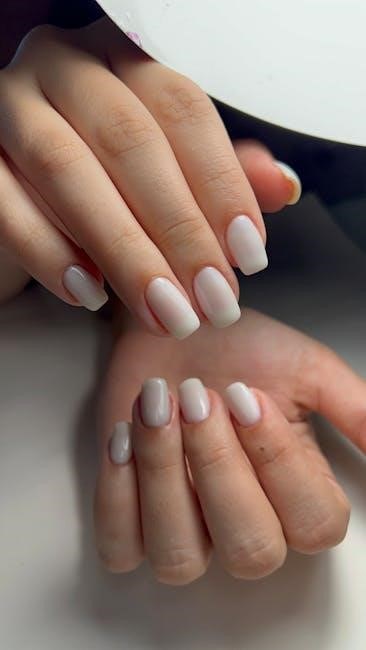
Use clean, disinfected nail clippers dedicated solely to the infected nail to avoid cross-contamination. Filing down the surface of the nail after trimming can further reduce thickness and allow topical treatments to penetrate more effectively.
Be gentle during filing; excessive force can damage the nail bed. Discard nail clippings immediately in a sealed bag to contain any fungal spores. Always wash your hands thoroughly with soap and water after handling the infected nail and any associated tools.
Remember, consistent and careful nail hygiene significantly supports the effectiveness of any treatment regimen.
Footwear Considerations: Breathability & Cleanliness
Choosing the right footwear plays a vital role in both treating and preventing fungal nail infections. Opt for shoes made from breathable materials like leather or canvas, allowing air circulation and reducing moisture buildup – a breeding ground for fungus.
Avoid tight-fitting shoes that constrict blood flow and create a warm, humid environment. Regularly clean the inside of shoes with antifungal sprays or powders to eliminate any lingering fungal spores.
Alternate between different pairs of shoes daily to allow each pair to dry completely. Socks should be changed daily, and preferably made of moisture-wicking materials like cotton or wool.
Consider using open-toed shoes or sandals whenever appropriate to maximize airflow and minimize fungal growth.
Preventing Re-infection: Disinfection & Hygiene Practices
Successfully treating a fungal nail infection is only half the battle; preventing re-infection is crucial. Regularly disinfect surfaces that come into contact with the affected foot, including shower floors, bath mats, and nail clippers.
Use a bleach solution (1 part bleach to 10 parts water) or a commercially available disinfectant. Avoid sharing personal items like towels, socks, and shoes.
Wash hands thoroughly with soap and water after touching the infected nail or any potentially contaminated surfaces. Keep feet clean and dry, especially between the toes.
Consider wearing shower shoes in public showers and locker rooms. Consistent adherence to these hygiene practices significantly reduces the risk of recurrence and maintains long-term foot health.
School-Specific Considerations
Navigating school life with fungal nail treatment requires open communication, preventative measures in shared spaces, and addressing potential social concerns with sensitivity.
Communicating with the School Nurse
Establishing a clear line of communication with the school nurse is a crucial first step. Inform them about your child’s diagnosis and the chosen treatment plan, whether it involves over-the-counter remedies or prescription medications. The nurse can assist in monitoring for any adverse reactions, especially if oral medications are prescribed, and can provide a discreet point of contact for your child during school hours.
Share information regarding any necessary accommodations, such as allowing time for topical medication application or advising on appropriate footwear for physical education classes. The school nurse can also play a vital role in educating staff about fungal nail infections – dispelling myths and reducing potential stigma. A collaborative approach ensures your child receives appropriate support and minimizes disruption to their learning environment. Remember to provide updates on treatment progress and any changes to the care plan.
Preventing Spread in Locker Rooms & Shared Facilities
Locker rooms, showers, and shared gym facilities present a heightened risk of fungal nail infection transmission. Encourage your child to consistently wear waterproof sandals or flip-flops in these areas, creating a protective barrier between their feet and potentially contaminated surfaces. Emphasize the importance of avoiding barefoot walking and never sharing personal items like towels, socks, or nail clippers.
Advise your child to thoroughly dry their feet, especially between the toes, after showering or swimming. Schools should maintain regular cleaning and disinfection protocols for locker rooms and showers, utilizing antifungal solutions where appropriate. Promoting awareness among students about proper hygiene practices – avoiding touching or picking at nails – can further minimize the spread. A proactive approach protects not only your child but also their peers.
Addressing Stigma & Promoting Understanding
Fungal nail infections can unfortunately carry a social stigma, leading to embarrassment or teasing among school-aged children. It’s crucial to openly discuss the condition with your child, explaining it’s a common medical issue, not a reflection of personal hygiene. Encourage them to talk to a trusted adult – a school nurse, counselor, or teacher – if they experience any negative reactions from peers.
Schools can play a vital role by incorporating educational sessions about common skin conditions, emphasizing that they are treatable and not contagious through casual contact. Promoting empathy and understanding within the student body can create a more supportive environment. Normalize seeking treatment and reassure children that addressing the infection is a sign of self-care, not something to be ashamed of.
Long-Term Management & Prevention
Consistent follow-up, diligent hygiene, and proactive preventative measures are essential for sustained nail health and minimizing the risk of future fungal infections.
Monitoring Treatment Progress
Regularly assess the treated nail for improvements, typically observing reduced discoloration, decreased thickness, and healthier nail growth at the base. Documenting progress with photos weekly can be incredibly helpful for visual comparison. It’s crucial to understand that fungal nail treatment is a slow process; visible results may take several months, even with consistent application.
If you don’t see any improvement after 4-6 weeks of diligent treatment following the product instructions, or if the condition worsens, consult a doctor or podiatrist. They can reassess the infection and potentially recommend a stronger treatment option. Be patient and persistent, as stopping treatment prematurely can lead to recurrence. Continue the full course of treatment, even if the nail appears healed, to ensure the infection is completely eradicated. Remember to maintain good foot hygiene throughout the treatment period and beyond.
Relapse Prevention Strategies
To minimize the risk of re-infection, consistently practice good foot hygiene even after successful treatment. This includes thoroughly drying your feet, especially between the toes, after showering or swimming. Avoid walking barefoot in public areas like locker rooms, showers, and swimming pools – always wear protective footwear. Regularly disinfect shoes with an antifungal spray or powder.
Choose breathable socks made of moisture-wicking materials like cotton or wool, and change them daily. Avoid sharing nail clippers, files, or towels with others. Continue to trim nails straight across and file down any thickened areas. If you participate in activities that create a warm, moist environment for your feet, consider using an antifungal powder preventatively. Vigilance and consistent care are key to preventing fungal nail infections from returning.
The Importance of Consistent Care
Maintaining a consistent treatment regimen, even when symptoms improve, is absolutely crucial for eradicating the fungal infection and preventing recurrence. Fungal nails grow slowly, and treatment often takes months to show full results; stopping prematurely can allow the infection to rebound. Adhere strictly to the prescribed medication schedule, whether it’s topical or oral, and follow all application instructions carefully.
Regularly monitor the nail’s progress, noting any changes in color, thickness, or shape. Continue practicing diligent foot hygiene – drying thoroughly, wearing clean socks, and disinfecting shoes – as preventative measures. Don’t hesitate to contact your doctor or podiatrist if you notice any signs of re-infection or experience any adverse effects from the treatment. Consistent effort yields the best long-term outcome.