Article Plan: Count and Write Worksheets 1-20 PDF
Count and write worksheets‚ readily available as PDF downloads‚ are crucial for Kindergarten math foundations. These free resources focus on interactive learning‚ counting to 20‚ and number recognition.
Counting to 20 represents a foundational milestone in early childhood mathematics education. It’s typically introduced during Kindergarten‚ establishing a crucial base for future numerical understanding. Count and write worksheets specifically designed for this range – often available as convenient PDF downloads – play a vital role in solidifying these early skills.
These worksheets aren’t simply about rote memorization; they encourage children to connect numerical symbols (1‚ 2‚ 3…) with concrete quantities. Through engaging activities like counting objects and then writing the corresponding number‚ children develop a deeper‚ more intuitive grasp of number sense. The availability of free resources makes this essential learning accessible to all.
Furthermore‚ the worksheets often incorporate themes like animals or space‚ enhancing engagement and making learning more enjoyable for young learners.
Why are 1-20 Worksheets Important for Kindergarten?
Count and write worksheets focusing on numbers 1-20 are incredibly important for Kindergarten students because they build a critical foundation for mathematical proficiency. These PDF resources directly support the curriculum‚ reinforcing number recognition and sequencing skills. Mastering this range is a key developmental step before tackling more complex concepts.
These worksheets help children connect abstract number symbols with tangible quantities‚ fostering a deeper understanding of number sense. The repetitive practice offered through these activities solidifies learning and builds confidence.
Access to free printable worksheets ensures equitable learning opportunities. They also prepare students for future math success‚ laying the groundwork for addition‚ subtraction‚ and beyond.
Developmental Benefits of Early Counting Skills
Early counting skills‚ nurtured through count and write worksheets (often available as PDF downloads)‚ offer significant developmental benefits beyond mathematics. Learning to count to 20 enhances a child’s cognitive abilities‚ including memory and problem-solving skills. These free resources actively engage young minds‚ promoting concentration and focus.
Furthermore‚ the act of writing numbers strengthens fine motor skills‚ preparing children for handwriting. Connecting numbers to quantities builds logical thinking and lays the foundation for understanding more complex mathematical concepts.
Successfully mastering early counting boosts a child’s self-esteem and encourages a positive attitude towards learning‚ setting them up for future academic success.

Types of Count and Write Worksheets (1-20)
Count and write worksheets (PDF format) vary greatly‚ including animal and space themes‚ number recall exercises‚ and coloring activities‚ offering diverse learning experiences.
Worksheets with Animal Themes
Animal-themed count and write worksheets provide an engaging way for young learners to practice essential math skills. These PDF resources typically feature colorful illustrations of various animals – from playful puppies and kittens to majestic lions and elephants. Children are tasked with counting the animals depicted on the worksheet and then writing the corresponding number in the provided space.
This approach not only reinforces number recognition and counting abilities but also taps into children’s natural fascination with animals‚ making learning more enjoyable. Worksheets often progress in difficulty‚ starting with counting smaller groups of animals (1-10) and gradually increasing to larger groups (up to 20). The visual appeal of the animal illustrations helps maintain student interest and encourages repeated practice‚ solidifying their understanding of early math concepts.
Space-Themed Counting Activities
Space-themed count and write worksheets offer a stellar approach to early math education. These PDF resources captivate children with vibrant images of planets‚ rockets‚ stars‚ and astronauts. Students practice counting these cosmic objects and then accurately write the corresponding number‚ reinforcing number recognition and quantity association.
The engaging theme sparks imagination while building foundational math skills. Worksheets are designed with varying levels of difficulty‚ beginning with counting smaller sets of space elements (1-10) and progressing to larger quantities (up to 20). This gradual increase ensures children remain challenged and motivated. These activities transform learning into an exciting adventure‚ fostering a positive attitude towards mathematics and encouraging repeated practice.
Worksheets Focusing on Number Recall
Worksheets specifically designed for number recall are a vital component of mastering early math skills within the 1-20 range. These PDF resources move beyond simple counting‚ challenging children to actively remember and reproduce numbers from memory. Activities include filling in missing numbers in sequences‚ identifying numbers within a grid‚ and writing numbers based on verbal prompts.
This focused practice strengthens a child’s ability to instantly recognize and recall numbers‚ a crucial skill for future mathematical operations. The worksheets often incorporate visual cues and playful designs to maintain engagement. Gradual progression from simpler recall tasks to more complex ones ensures continuous learning and builds confidence. Consistent use of these resources solidifies number sense.
Worksheets Combining Counting and Coloring
Count and color worksheets offer a delightful blend of math practice and creative expression‚ making learning to count to 20 more engaging for young learners. These PDF resources typically present images with varying quantities of objects. Children are instructed to count the objects and then color them accordingly‚ reinforcing the connection between numerical value and visual representation.
This multi-sensory approach caters to different learning styles and helps solidify number recognition. The act of coloring also enhances fine motor skills and hand-eye coordination. Worksheets often feature appealing themes like animals or space‚ further boosting motivation. They provide a fun‚ relaxed way to practice essential early math concepts‚ making learning enjoyable.

Key Skills Reinforced by These Worksheets
Count and write worksheets (1-20) bolster number recognition‚ sequencing‚ and accurate object counting. They also develop crucial fine motor skills through number writing.
Number Recognition (1-20)
Count and write worksheets are instrumental in solidifying number recognition for young learners‚ specifically focusing on the digits 1 through 20. These PDF resources present numbers in various formats – isolated digits‚ within sequences‚ and alongside corresponding quantities of objects.
Activities often require children to identify a number amongst others‚ circle specific digits‚ or match numbers to their visual representation. Repeated exposure through these exercises helps build fluency and automaticity in number identification. This foundational skill is essential as children progress to more complex mathematical concepts.
The worksheets often incorporate playful themes‚ like animals or space‚ to maintain engagement while reinforcing number recognition skills. Consistent practice with these materials ensures a strong grasp of number symbols.
Number Sequencing
Count and write worksheets‚ often available as PDF downloads‚ heavily emphasize number sequencing‚ a critical pre-math skill. These worksheets present numbers 1 through 20 in a variety of sequential challenges. Children practice identifying what number comes before‚ after‚ or between given numbers.
Activities include completing number lines‚ arranging numbers in ascending or descending order‚ and filling in missing numbers in a series. This reinforces the understanding that numbers follow a logical order.

Gradually increasing difficulty levels ensure progressive learning. Worksheets may start with simple sequences (1‚ 2‚ 3…) and progress to more complex patterns. Mastering number sequencing builds a strong foundation for future math operations and problem-solving.
Fine Motor Skills Development (Writing Numbers)
Count and write worksheets‚ frequently offered as PDF printables‚ are invaluable for developing essential fine motor skills. The act of physically writing numbers 1 to 20 strengthens the small muscles in a child’s hand and improves hand-eye coordination.
These worksheets often include tracing activities‚ where children follow dotted lines to form each number. This provides guided practice and builds confidence.
Independent writing practice further refines these skills. Repeatedly forming numbers helps children develop muscle memory and control. This skill isn’t just beneficial for math; it’s crucial for handwriting and other tasks requiring dexterity.
Object Counting Accuracy
Count and write worksheets‚ commonly found as PDF downloads‚ directly address and reinforce object counting accuracy. These resources present children with visual groupings of items – often animals or space-themed objects – requiring them to determine the precise quantity.
Initially‚ worksheets feature smaller sets‚ gradually increasing in complexity to challenge developing skills. This progression ensures children master one-to-one correspondence‚ a foundational math concept.
By associating a written number with a concrete quantity‚ children solidify their understanding. Consistent practice minimizes counting errors and builds confidence in their ability to accurately determine “how many.”
Accessing and Using Count and Write Worksheets (PDF)
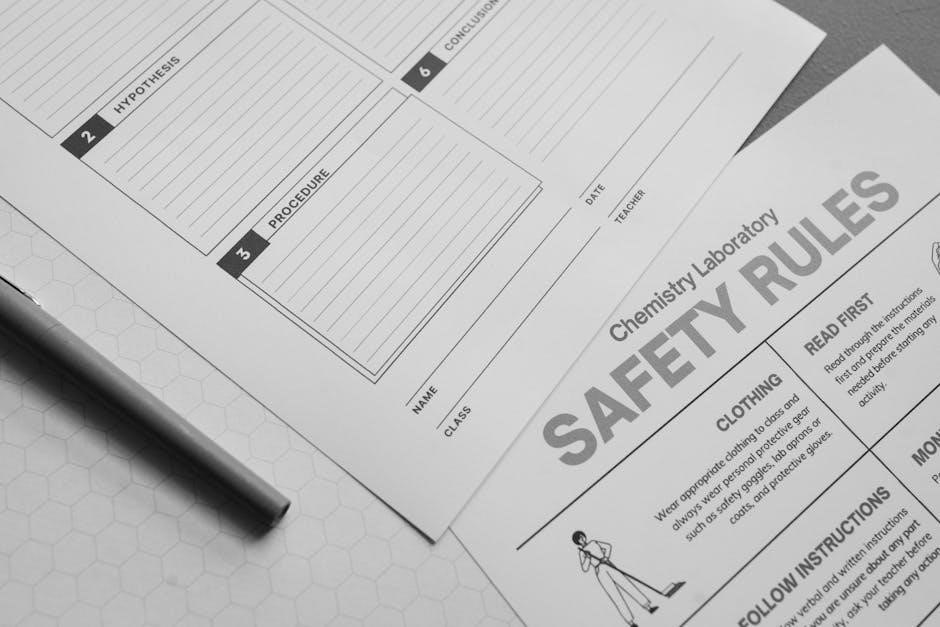
Count and write worksheets (PDF format) are easily downloadable from various online sources‚ designed for convenient printing on standard A4 paper for classroom or home use.
Where to Download Free PDF Worksheets
Numerous online platforms offer a wealth of free‚ printable count and write worksheets in PDF format. Websites dedicated to educational resources frequently host collections specifically designed for early math learners. A quick internet search using keywords like “counting to 20 worksheets PDF” or “kindergarten counting worksheets” will yield a variety of options.
Several educational websites provide these resources without requiring registration. Others may ask for a simple email signup to access their full library of materials. Look for sites that clearly indicate the worksheets are free to download and use for educational purposes. Remember to preview the PDF to ensure it aligns with your child’s learning needs and includes activities like counting objects and writing corresponding numbers.
Don’t hesitate to explore different websites to find a diverse range of themes and activity types to keep learning engaging!
Printing Considerations (A4 Paper)
Most count and write worksheets available for download are specifically designed to be printed on standard A4 paper. Before printing‚ ensure your printer settings are configured to A4 size to prevent any scaling or cropping issues that could distort the worksheet’s layout. A preview function within your PDF viewer is highly recommended to verify proper formatting.
For optimal results‚ use a standard print quality setting. High-quality printing isn’t usually necessary for these worksheets‚ as the focus is on functionality rather than visual aesthetics. Consider printing in black and white to conserve ink‚ as coloring is often integrated into the activities.
Always test print one page before printing the entire set to confirm everything appears as intended.
Worksheet Difficulty Progression
Count and write worksheets (1-20) typically follow a progressive difficulty curve. Initial worksheets often focus on counting a small number of objects (1-10) and writing the corresponding numeral. As children gain confidence‚ the quantity of objects increases‚ extending to counting up to 20.
Worksheets then introduce variations‚ like connecting numbers to quantities‚ requiring students to draw the correct number of objects. More advanced sheets include fill-in-the-missing-number activities and number sequencing exercises.
Thematic worksheets‚ such as those with animal or space themes‚ can also increase complexity by incorporating distractions or requiring more focused attention. Gradual progression ensures children are challenged appropriately.
Adapting Worksheets for Different Learning Levels
Count and write worksheets (1-20) are easily adaptable. For students needing extra support‚ begin with worksheets featuring fewer objects and larger numerals. Provide physical manipulatives – like counters – alongside the worksheets to aid counting. Reduce the number of problems per page to prevent overwhelm.
For advanced learners‚ increase the quantity of objects to count‚ or introduce worksheets requiring them to create their own counting problems. Challenge them to write number sentences or solve simple addition problems related to the counting exercises.
Consider removing visual cues or adding distractors to enhance critical thinking skills.

Specific Worksheet Activities Included
Count and write worksheets (1-20) offer diverse activities: counting objects‚ connecting numbers to quantities‚ tracing numerals‚ and fill-in-the-missing-number exercises.
Counting Objects and Writing the Number
Counting objects and writing the number is a foundational activity within count and write worksheets (1-20). These exercises present children with a visual array of items – often animals or space-themed illustrations – ranging in quantity from one to twenty.
The core task involves carefully counting each object depicted and then accurately writing the corresponding numeral in the provided space. This reinforces the link between concrete representation and abstract symbol. Worksheets progressively increase in difficulty‚ starting with smaller numbers and simpler arrangements‚ gradually introducing larger quantities and more complex layouts.
This activity isn’t just about rote memorization; it cultivates one-to-one correspondence‚ a critical pre-math skill. Successfully completing these tasks builds confidence and prepares young learners for more advanced mathematical concepts.
Connecting Numbers to Quantities
Connecting numbers to quantities is a key focus of count and write worksheets designed for numbers 1-20. These activities move beyond simple counting‚ challenging children to demonstrate a true understanding of numerical value. Worksheets often present a numeral (e.g.‚ 7) and require students to draw or color a corresponding number of objects – stars‚ hearts‚ or animals are common themes.
Alternatively‚ a set number of objects might be shown‚ and the child must identify and write the correct numeral. This bidirectional practice solidifies the relationship between the symbolic representation of a number and the amount it represents.
These exercises are vital for building number sense and preventing common misconceptions about quantity.
Tracing Numbers 1-20
Tracing numbers 1-20 is a foundational element within count and write worksheets‚ specifically designed to enhance fine motor skills and number formation. These worksheets present dotted outlines of each numeral‚ guiding children’s pencil strokes and reinforcing the correct way to write each digit.
This activity isn’t just about memorizing shapes; it’s about developing the muscle memory needed for independent writing. Repeated tracing builds confidence and prepares young learners for more complex writing tasks.
Many PDF worksheets incorporate tracing alongside counting exercises‚ creating a holistic learning experience. The gradual progression from tracing to independent writing is crucial for success.
Fill-in-the-Missing-Number Activities
Fill-in-the-missing-number activities within count and write worksheets (PDF format) are excellent for solidifying number sequencing skills. These exercises present a series of numbers with one or more missing‚ challenging children to apply their understanding of numerical order to complete the sequence.

Typically‚ these worksheets start with simpler sequences (e.g.‚ 1‚ 2‚ __‚ 4) and gradually increase in difficulty‚ potentially skipping multiple numbers or incorporating reverse sequencing.
This type of activity encourages critical thinking and reinforces the concept that numbers follow a predictable pattern. Successfully completing these tasks boosts a child’s confidence and prepares them for more advanced mathematical concepts.

Integrating Worksheets into Learning
Count and write worksheets (PDF) enhance math curricula‚ homeschooling‚ and offer engaging practice. Gamification and parental support maximize learning effectiveness for young students.
Using Worksheets as Part of a Broader Math Curriculum
Count and write worksheets‚ in PDF format‚ shouldn’t exist in isolation. They are most effective when integrated into a comprehensive math curriculum for Kindergarten. These worksheets reinforce concepts taught through other methods – manipulatives‚ songs‚ and group activities.
Begin with hands-on counting using objects‚ then transition to representing those quantities with numbers on the worksheets. Use the worksheets as assessment tools to identify areas where students need extra support.
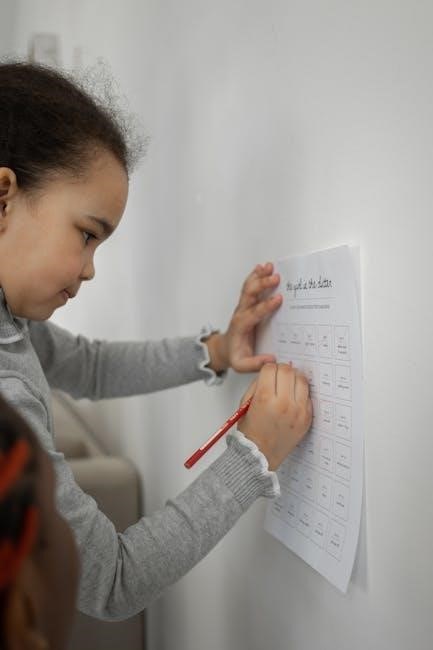
Supplement the worksheets with real-world counting exercises‚ like counting toys or snacks. This holistic approach solidifies understanding and makes learning more meaningful. The worksheets provide focused practice‚ but a broader curriculum ensures a well-rounded mathematical foundation.
Worksheet Use in Homeschooling Environments
Count and write worksheets‚ easily downloaded as PDFs‚ are invaluable resources for homeschooling families. They offer structured practice for early math skills‚ specifically counting to 20‚ and allow for individualized learning paces. Parents can easily assess understanding and tailor lessons accordingly.
These worksheets provide a break from more interactive activities‚ offering focused‚ independent work. They’re particularly useful for reinforcing number recognition and sequencing.
The printable format is convenient and cost-effective. Homeschooling allows for flexibility; worksheets can be incorporated alongside games‚ real-life counting‚ and other engaging methods‚ creating a well-rounded learning experience. Consistent practice with these PDF worksheets builds a strong math foundation.
Making Learning Fun: Gamification of Worksheets
Transforming count and write worksheets (PDF format) into engaging games boosts motivation! Simple techniques like timing activities – “How fast can you count to 20?” – add excitement. Reward systems‚ like stickers for completed sheets‚ incentivize effort.
Turn it into a scavenger hunt: hide the worksheet and have children “discover” their math challenge. Create a points system for correct answers‚ leading to a small prize.
Coloring elements within the worksheets‚ like coloring objects after counting them‚ adds a creative outlet. These free PDF resources become less about work and more about playful exploration‚ fostering a positive attitude towards math and reinforcing number skills.
The Role of Parental Involvement
Parental engagement significantly enhances the effectiveness of count and write worksheets (PDF). Active participation‚ even for a few minutes daily‚ reinforces learning. Parents can verbally count alongside their child‚ praising effort and accuracy.
Review completed worksheets together‚ discussing any errors as learning opportunities‚ not failures. Creating a dedicated‚ quiet workspace minimizes distractions.
Utilize the free PDF resources to extend learning beyond the worksheet – count objects around the house‚ or during errands. Positive reinforcement and a supportive attitude are key to building confidence and a love for math.

Resources and Further Learning
Online platforms offer supplemental counting worksheets (PDF). Recommended books reinforce numbers 1-20. Support children facing difficulties with tailored practice and patience.
Online Platforms Offering Similar Worksheets
Numerous websites provide a wealth of free and premium counting worksheets‚ complementing PDF options. Education.com and K5 Learning offer extensive collections‚ categorized by skill level and theme‚ including options for counting to 20. These platforms often feature interactive exercises alongside printable worksheets‚ enhancing engagement.
Twinkl is another valuable resource‚ providing a diverse range of teacher-created materials‚ including count and write activities. AllKidsNetwork also presents a selection of free printable worksheets focused on early math skills. Many of these sites allow filtering by grade level (Kindergarten) and specific concepts‚ ensuring targeted practice. Exploring these platforms expands access to varied learning materials beyond simple PDF downloads‚ fostering a more dynamic learning experience.
Recommended Books for Counting to 20
Supplementing count and write worksheets with engaging books reinforces early numeracy skills. “Ten Black Dots” by Donald Crews is a classic‚ visually demonstrating number concepts. “Chicka Chicka 1‚ 2‚ 3” by Bill Martin Jr. and Michael Sampson offers a rhythmic approach to counting to 20.
“Mouse Count” by Ellen Stoll Walsh cleverly integrates counting with a captivating story. For hands-on learning‚ consider lift-the-flap books like “First 100 Numbers” by Roger Priddy. These books complement PDF worksheets by providing a different learning modality‚ enhancing comprehension and making counting fun. They build a strong foundation for future mathematical concepts‚ alongside practical count and write practice.
Tips for Supporting Children with Counting Difficulties
When using count and write worksheets (1-20 PDF)‚ patience is key. Begin with concrete objects alongside the worksheet‚ allowing children to physically manipulate items while counting. Break down the task; focus on smaller sets of numbers initially.
Encourage one-to-one correspondence – touching each object as they count. Utilize visual aids like number lines. If number recall is a challenge‚ pair counting with familiar songs or rhymes. Celebrate small victories and avoid pressure. Remember‚ consistent‚ gentle practice with these PDF resources‚ combined with positive reinforcement‚ fosters confidence and progress.